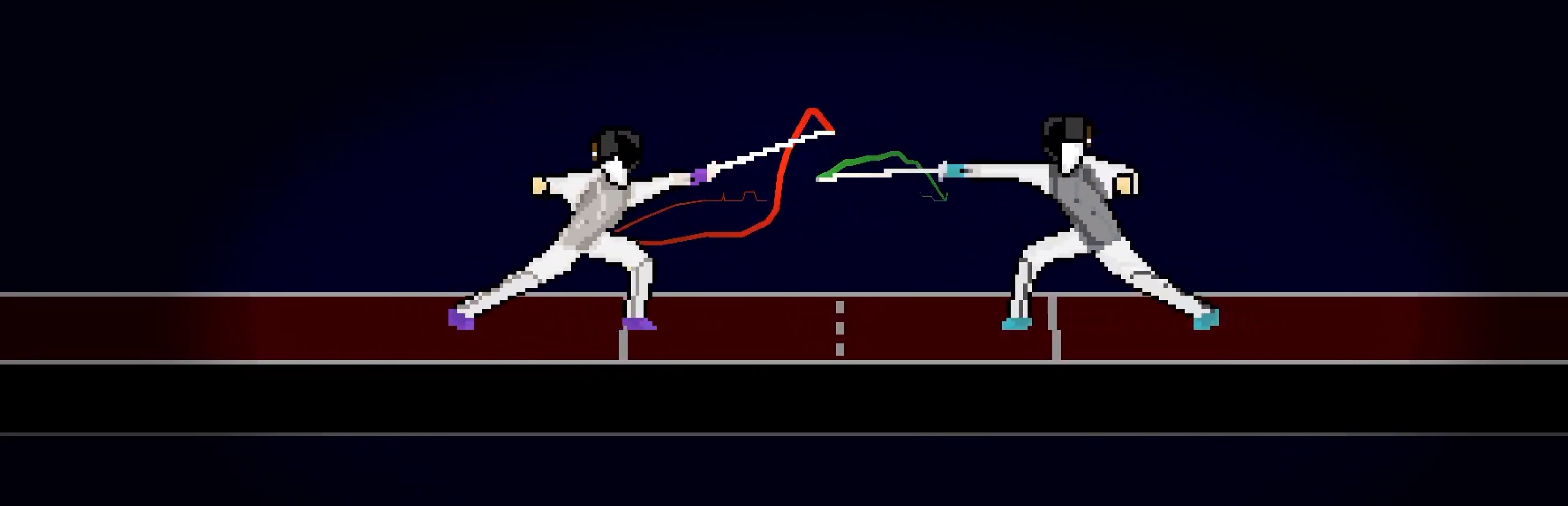
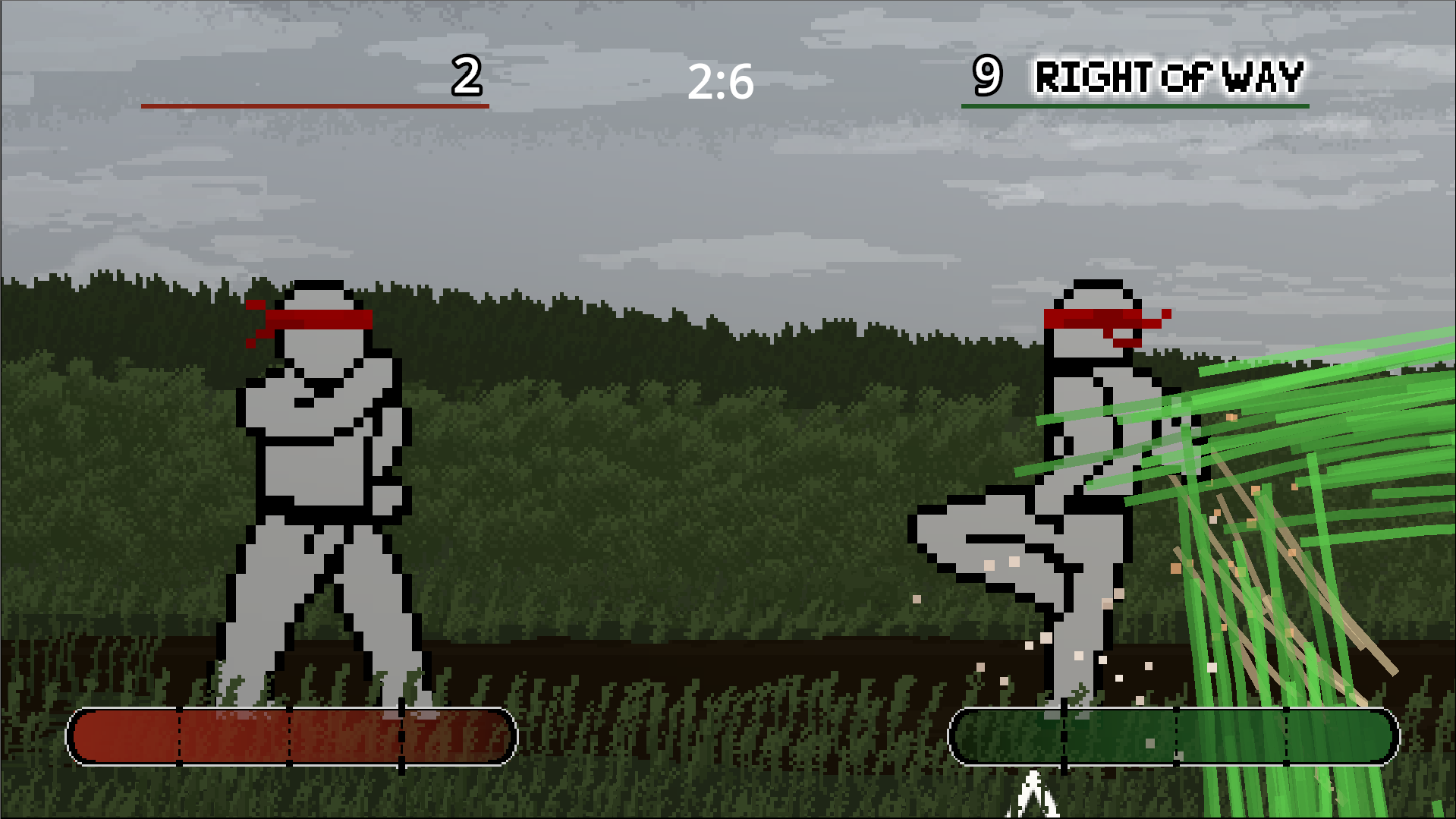
Tall Grass
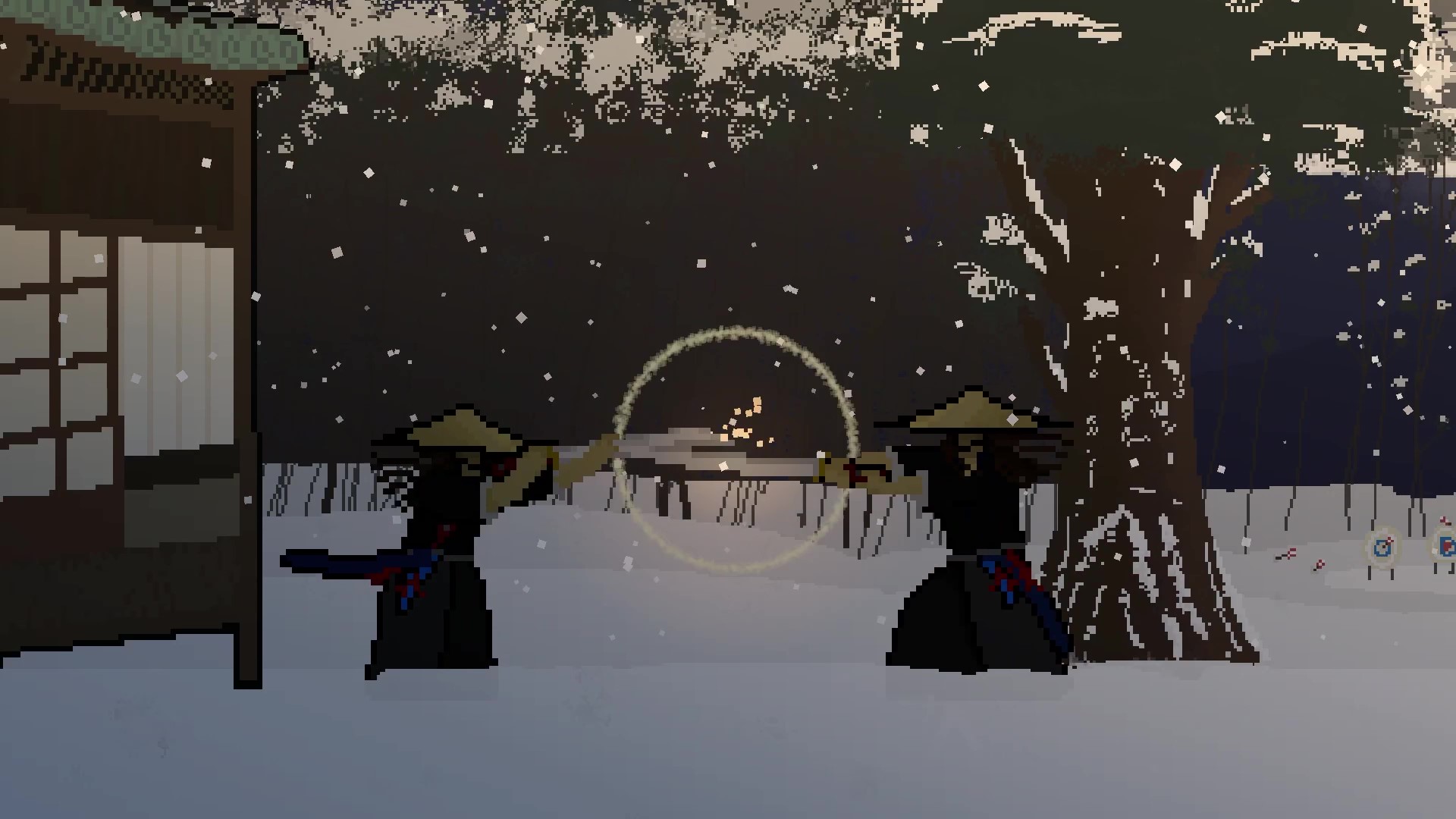
Guide to the Musashi character

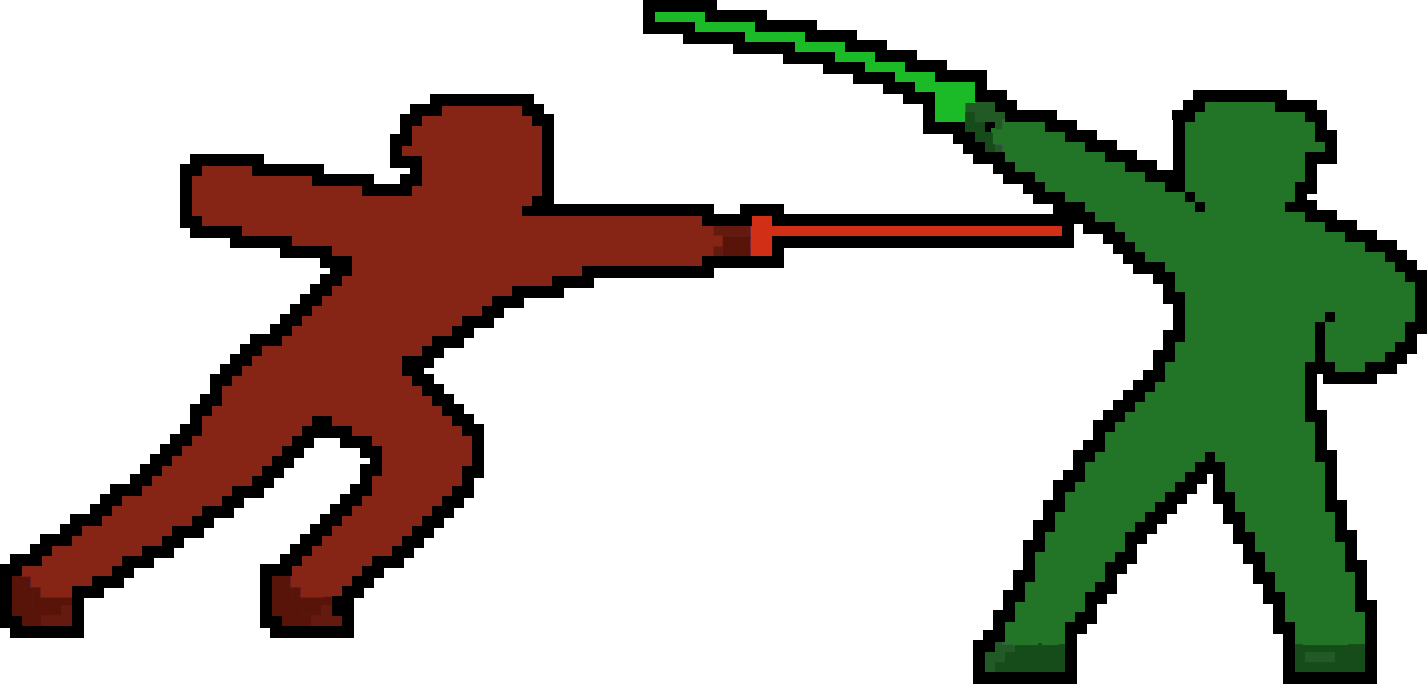
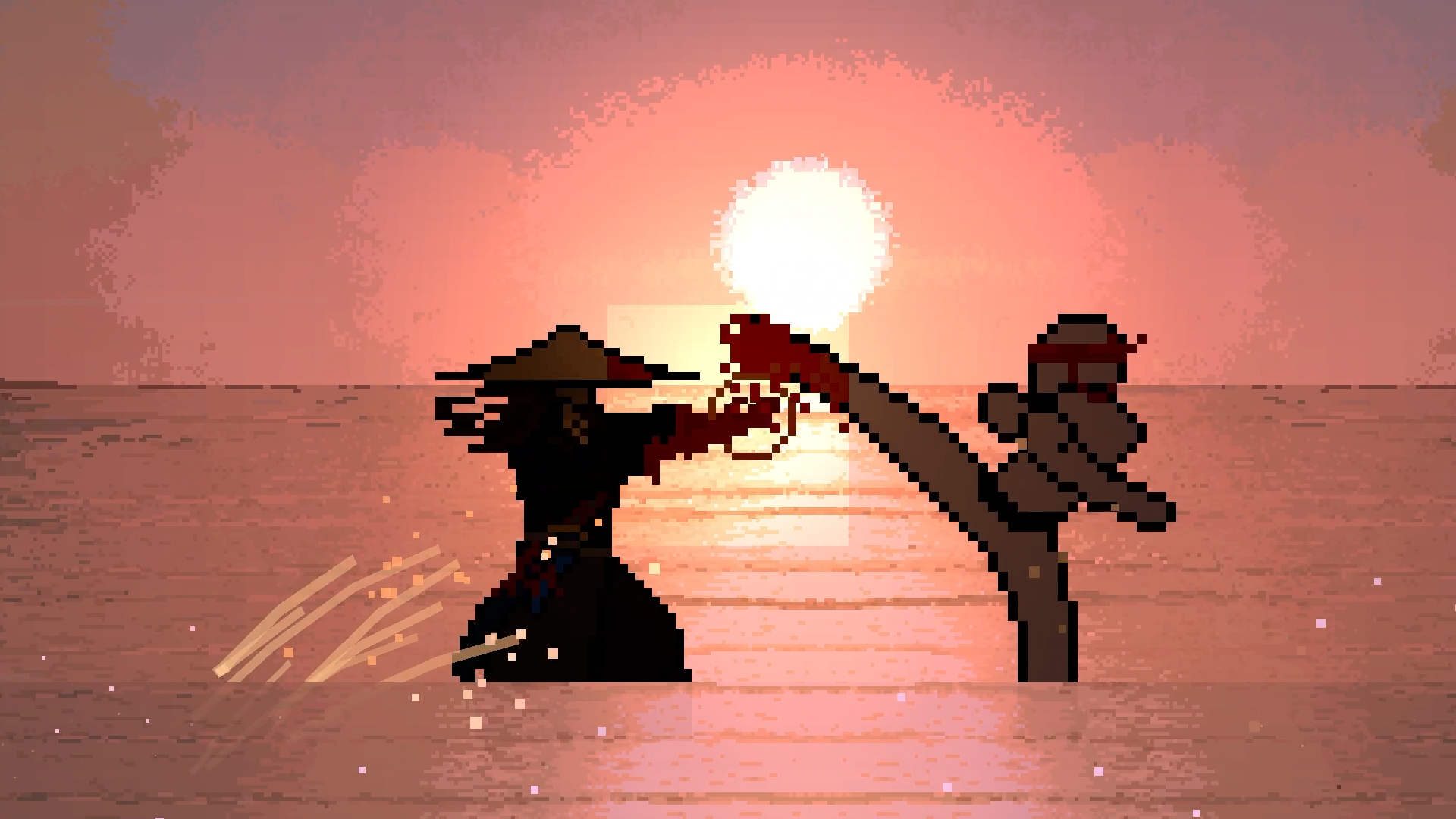
No healthbar. One hit to score.
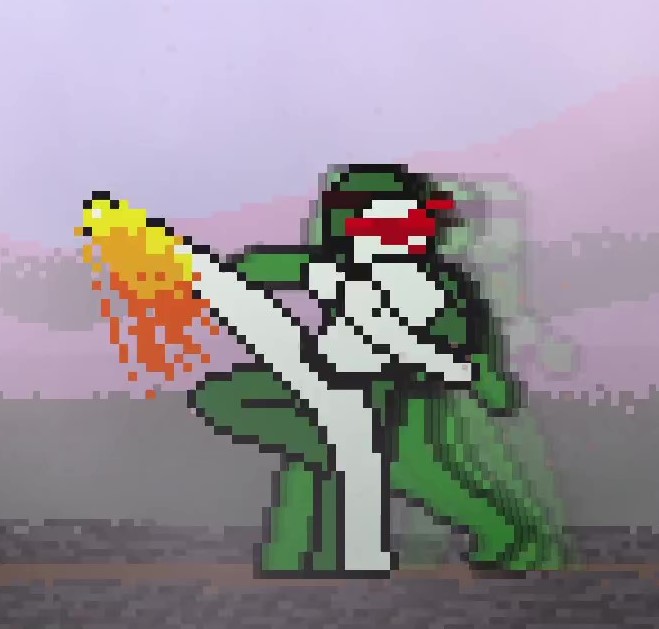
Look at the progress I’ve made, this was 5 months ago as-of-writing:
Blocking is punished by losing meter, and the attacker can cancel attacks into higher-priority attacks (see below*). This is to discourage blocking as a defense mechanic, preferring parrying.
Also, your blade can still be hit by beats.
The order is as follows, from lowest to greatest:
In fencing, beats apply miniscule pressure. With a slight tap, you hint to the opponent that you might attack momentarily. Or, you may do a circle-6 parry into a lunge. Maybe you’ll fleche. Maybe you’ll do nothing. Who knows? It’s all one big mind game. In Right of Way, beats act similarly. They can be confused with actual attacks, leading the opponent into committing to a huge attack–but your beat was quick, so you are in neutral, therefore you can parry. Oops, big attack coming your way, you parry-riposte and get a point.
Also, beats siphon meter. Not only do they give meter, but they steal the same amount from the opponent. Typically, meter gain is generous (it comes from simply having right of way). Therefore, slow your opponent’s progress with a quick beat. …until you do that too much, and they counter with a bind.
Binds can only be performed against an opponent’s beat attack. Thus, binds act more like a counter than a grab.
They have 9 frames of advantage and keep the opponent relatively close. This enables okizeme–the state of applying pressure while the opponent is immobile. The opponent has to defend immediately once out of stun–except if you bait a parry, of course.
Condition the opponent to beat a lot, then counter with a bind. Follow up with a lunge. Land enough binds-then-lunges, and your opponent will be conditioned to either not beat, or to parry after getting binded. For the former, you get more meter. For the latter, you successfully trained your opponent to do what you want, and you know exactly that. Land another bind, and when they try to parry, you simply… do nothing. Simply delay your attack. Bait out the parry, then punish. Free point.
Throws are very similar.
There is no grappling in fencing. Yet, as with blocking, throwing is a staple of fighting games. If the opponent only defends, how will you force your way through without a throw that goes through block? Actually, in Right of Way, if you push the opponent down and off the strip, you get a point, so defense isn’t a problem to deal with… uhh Ignoring that, throws felt necessary in the end. Plus, this game is a mix of HEMA fencing too (HEMA longsword fencer pending), and grappling is allowed in that sport. So, throws were inevitable. You get 5 frames of advantage when you throw the opponent, and more importantly, they go sliding down the strip. This gives you control of space on the strip. For example, if pushed to your end of the strip, you can close distance, throw the opponent, then push forward to avoid going off-strip.
You follow the opponent more with a bind than a throw, but the knockback is greater with a throw; binds have more frame advantage and keep you closer, thus they are better for okizeme, meanwhile throws are better for stealing space.
Both are great for conditioning and punishing.
An install super that rotates the screen and fills it with your player’s color. During PRIORITY, you retain right of way, no matter what you do. In addition, you can cancel your attacks WITHOUT needing a blockstring.


Beware, your opponent can also activate PRIORITY to steal yours!
back-and-forth…
Guide to the Musashi character
Guide to the Musashi character
Guide to the Musashi character