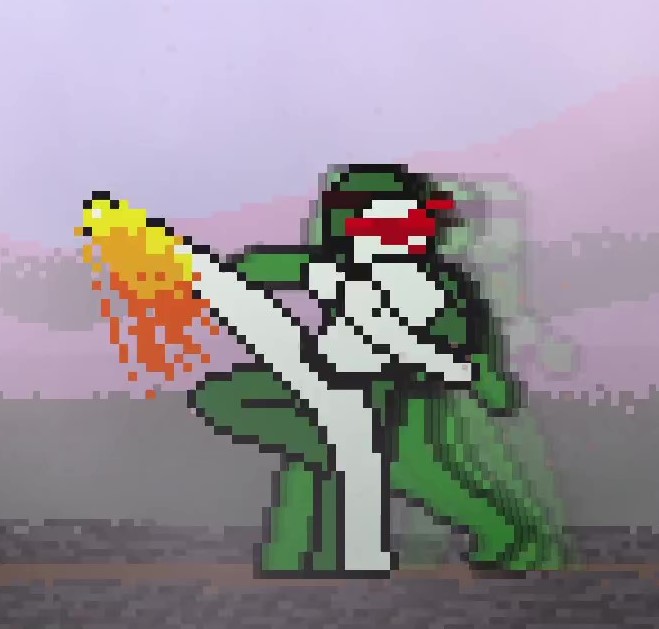
Body Trails - A Visual Aesthetic
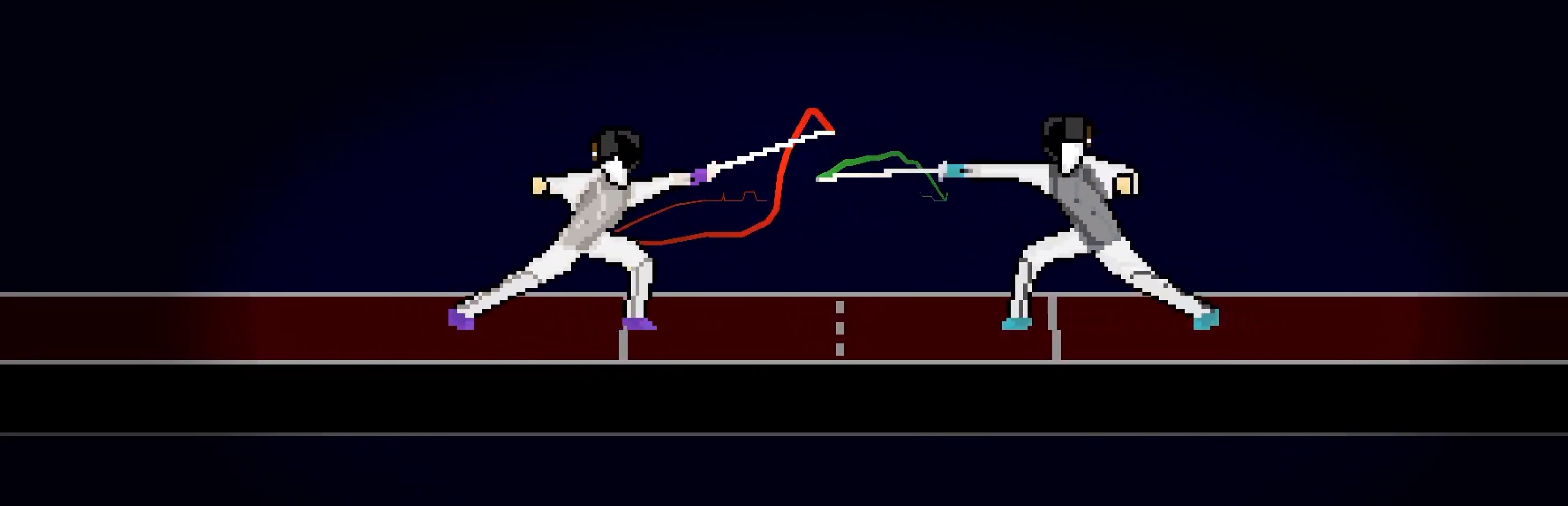
Colored visual effect that trails delayed

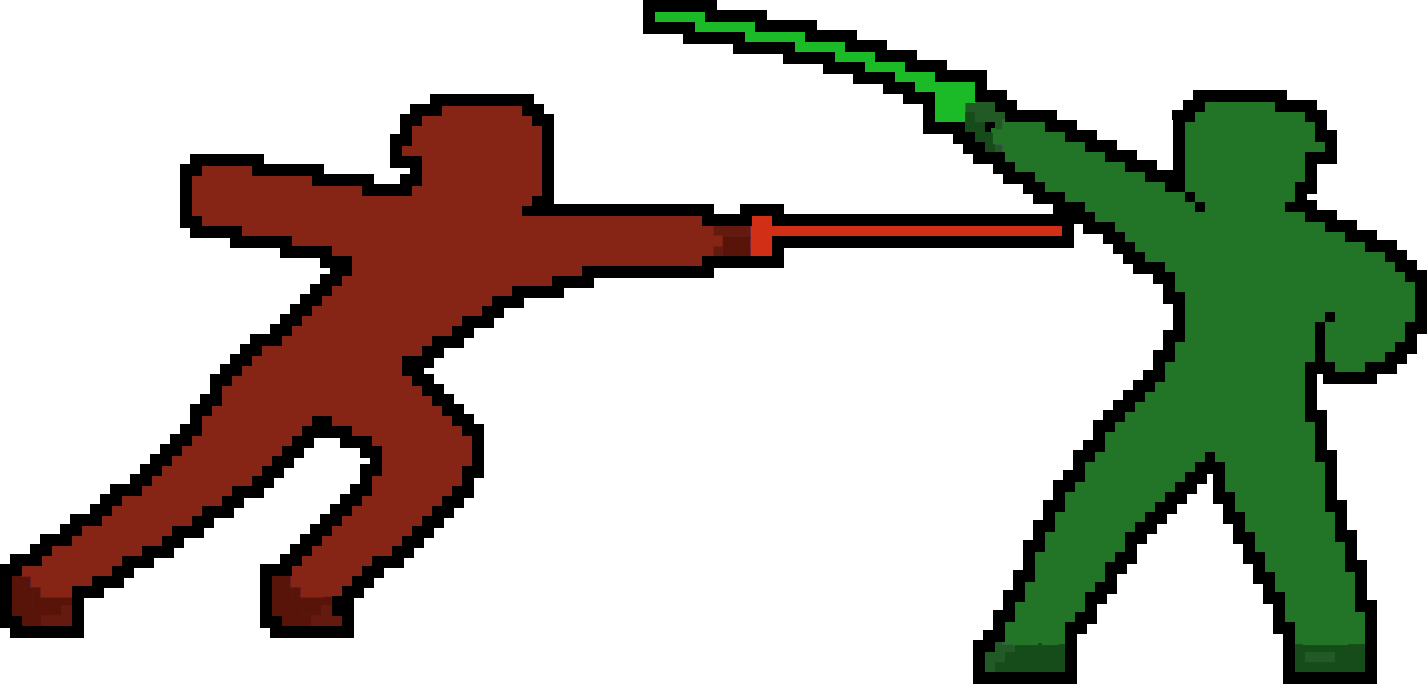
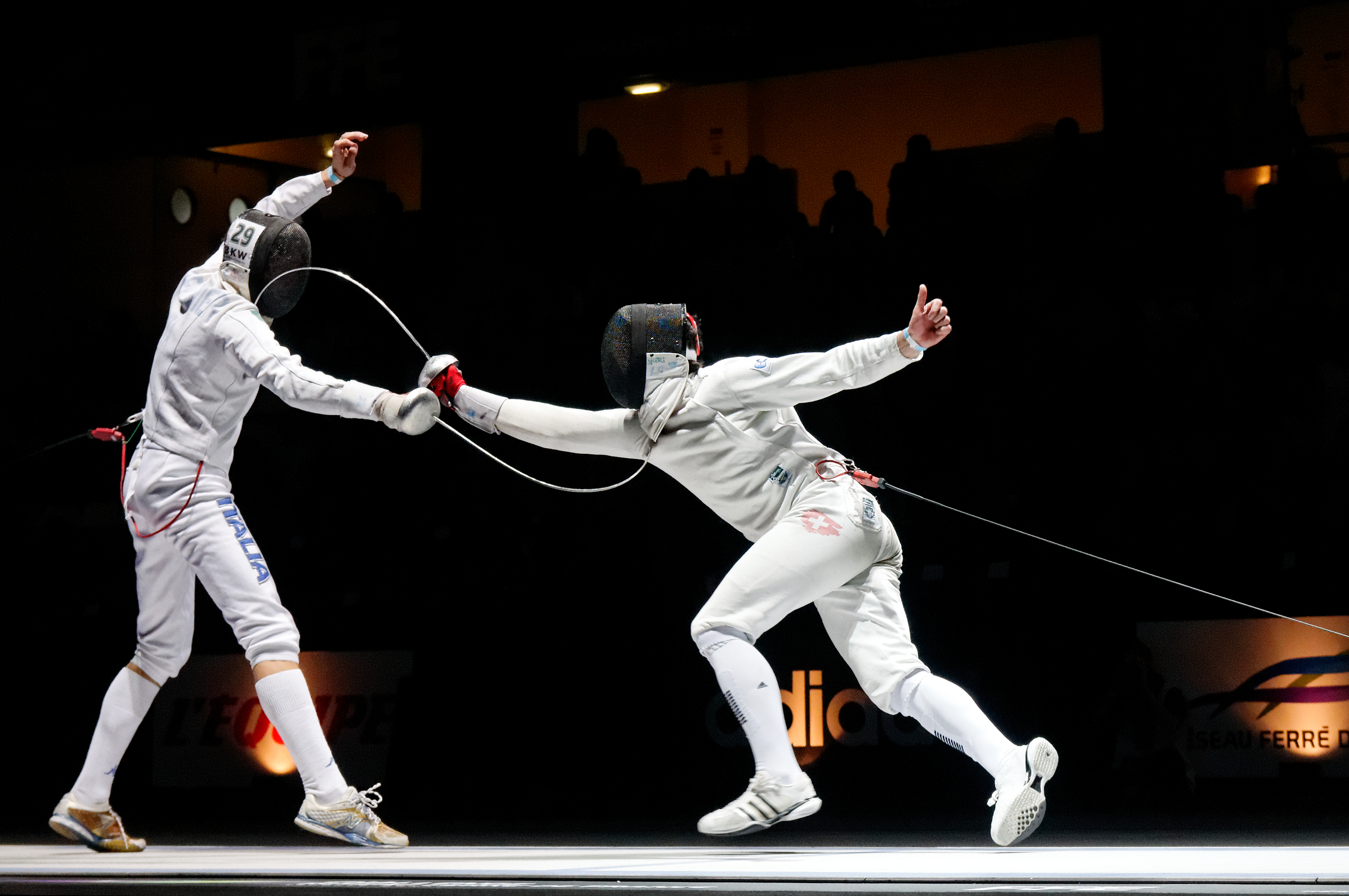
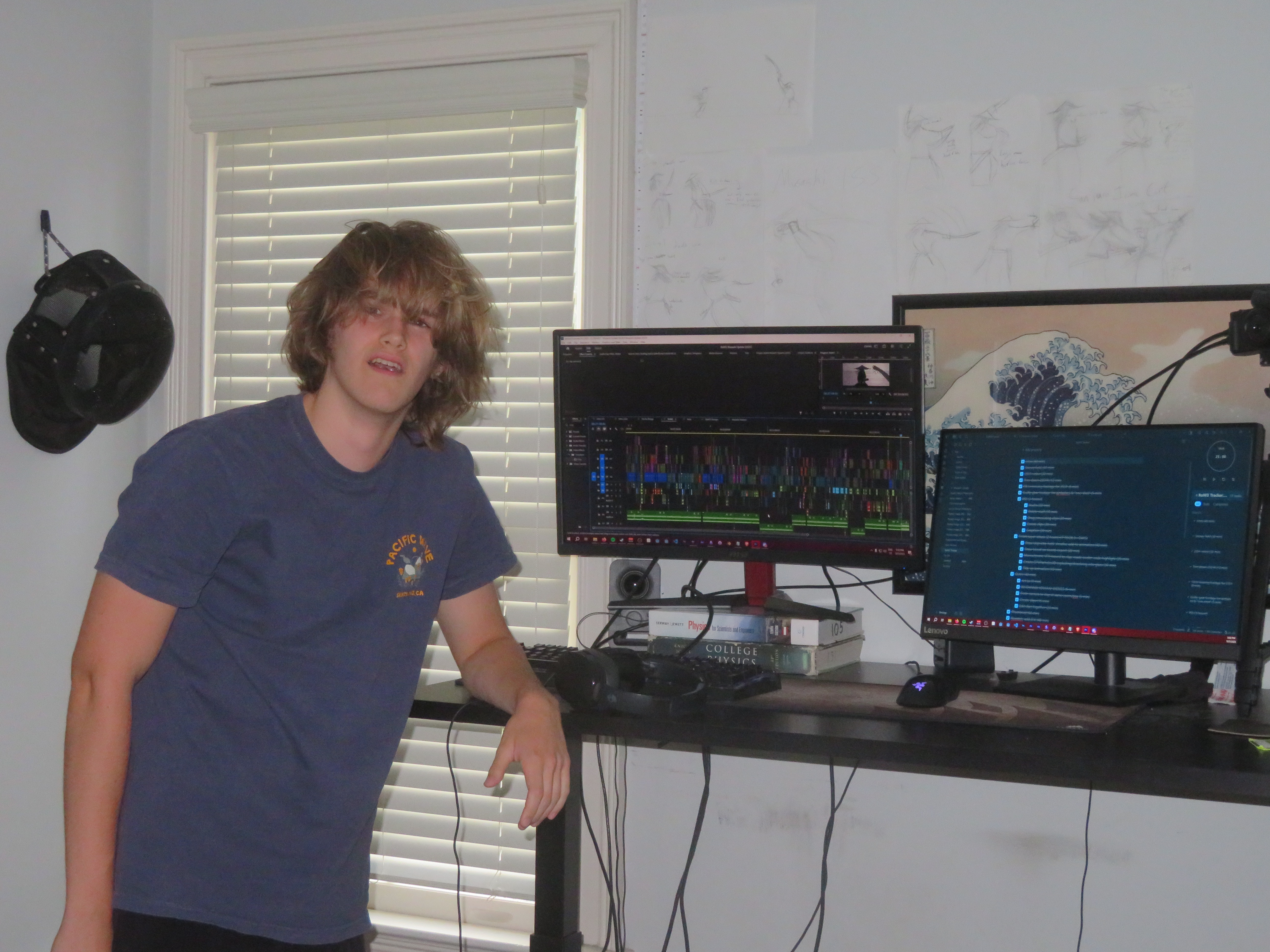
Most fencers began the sport as children. However, I began fencing in high school, and thereby struggled to enter the community. While everyone my age was an expert, I was too old for beginner lessons, and online fencing content was scarce. I stumbled upon the fencing strip far too late. Yet, by shifting my perspective, I quickly rose to my club’s highest level. Simply, I fenced like I was playing the 2D fighting games I grew up on. In both, the concepts are the exact same: distance control, parries, whiff punishes, etc. Surprisingly, despite their similarities, no game combined them. Therefore, to solve fencing’s daunting learning curve, I created the fencing-based video game Right of Way. Initially, I only knew programming, which I learned during quarantine. So, I was challenged to absorb a myriad of talents. Over three years, I taught myself countless skills–Python programming, pixel art, game design, sound design, everything to pursue my dream. For example, I’m skeptical of the use of generative AI–especially in programming–so instead of outsourcing my code, I spend sleepless nights scrolling through documentation, looking for a stray comment that may shift my thinking. Then, when I do solve a bug, the joy is immeasurable, and I can sleep having learned something new. After all, why forgo the opportunity to grow; why disrespect myself? Right of Way is the culmination of all I’ve loved, from the fighting games I played as a child to the sport I train for. My game is who I am, and I refuse to give myself up.
At this point, my game Right of Way is a subversion of stereotypes. The poster child, Sho, was originally named “Guy” because he was supposed to be just some “Guy” from off the street (a jab at Street Fighter, by the way). The Buddhist monk character is absurdly powerful just because I thought it would be funny. When do you ever see a monk with ripping muscles? My game is a celebration of all things unique and human, which are inherently subversions of the stereotypes we are all placed into. I guess this all started with my game’s inspiration and namesake, fencing. Olympic fencing is a subversion of historical fencing, as the former simplifies deadly swordfights into a two-dimensional game.
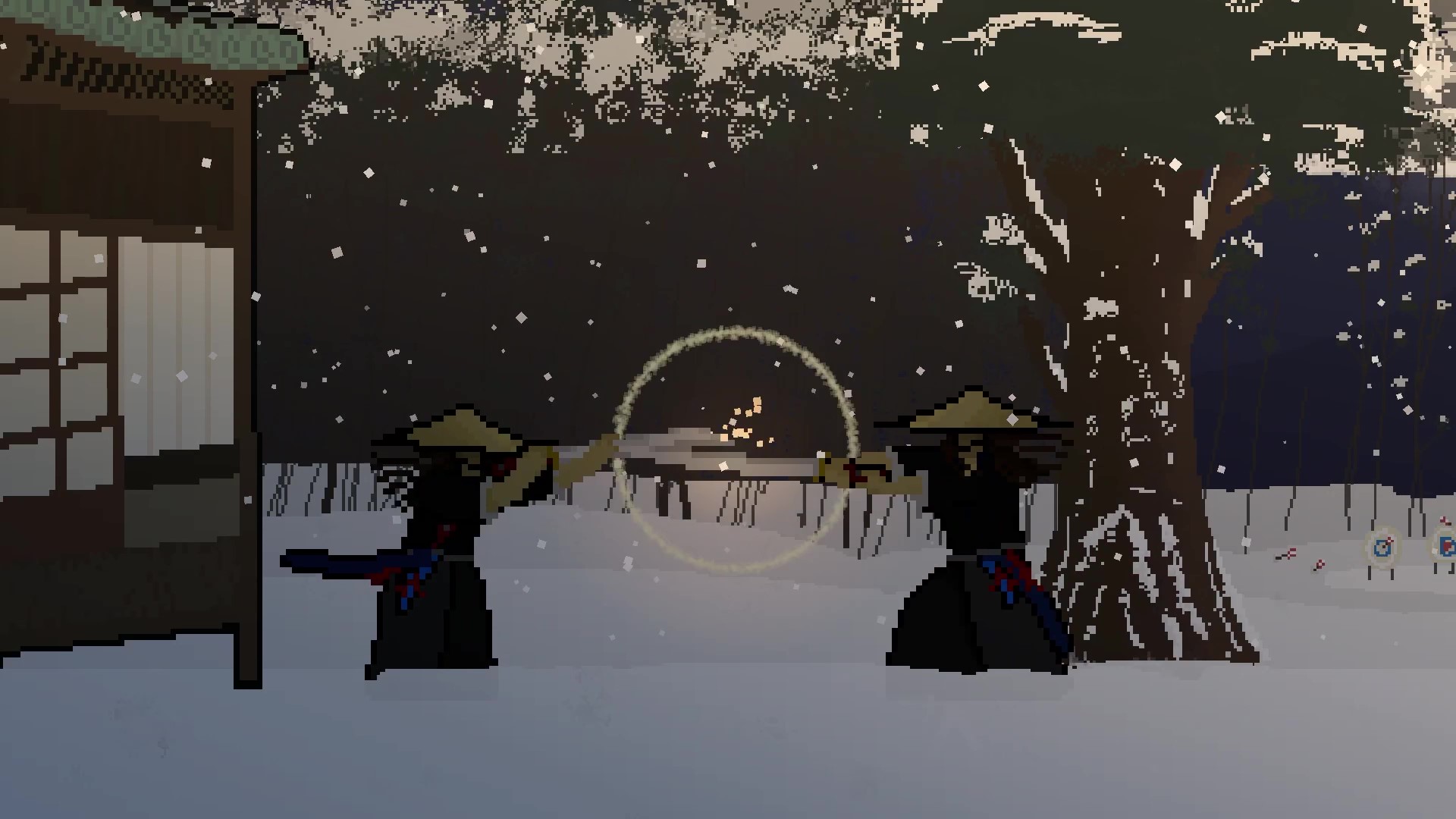
Watch any of my videos, and you will likely hear about the book Musashi by Eji Yoshikawa. Genuinely, I bring it up in 4+ videos. I read that book in freshman year of high school, and loved it (obviously). Samurai media is utterly captivating–the aesthetics, philosophy, quiet intensity, duels with gentle build-ups to suddenly explode into a deadly strike. Before Musashi was Seven Samurai, a film I watched in 8th grade on my phone as my travel guide sped down the Autobahn near Munich, Germany. Sure, I enjoyed Munich, Nuremberg, Rothenberg, and Salzburg (Austria), but the highlight of my trip was Seven Samurai. I could go on and on about Akira Kurosawa films. I’ll leave it at this: Ikiru is the best movie ever (behind Good Will Hunting) and the aesthetic of Kurosawa movies greatly inspired Right of Way. Most notably is Musashi, the character in Right of Way. I don’t even know where to begin here, because he’s the largest, most complex character by far. If only there was a 28-minute YouTube video that conveniently focused on him and his inspirati–
Oh! What a coincidence. Someone needs to pay this emrld guy for his great work.
Fighting games are a huge influence on, well, my fencing-based fighting game.
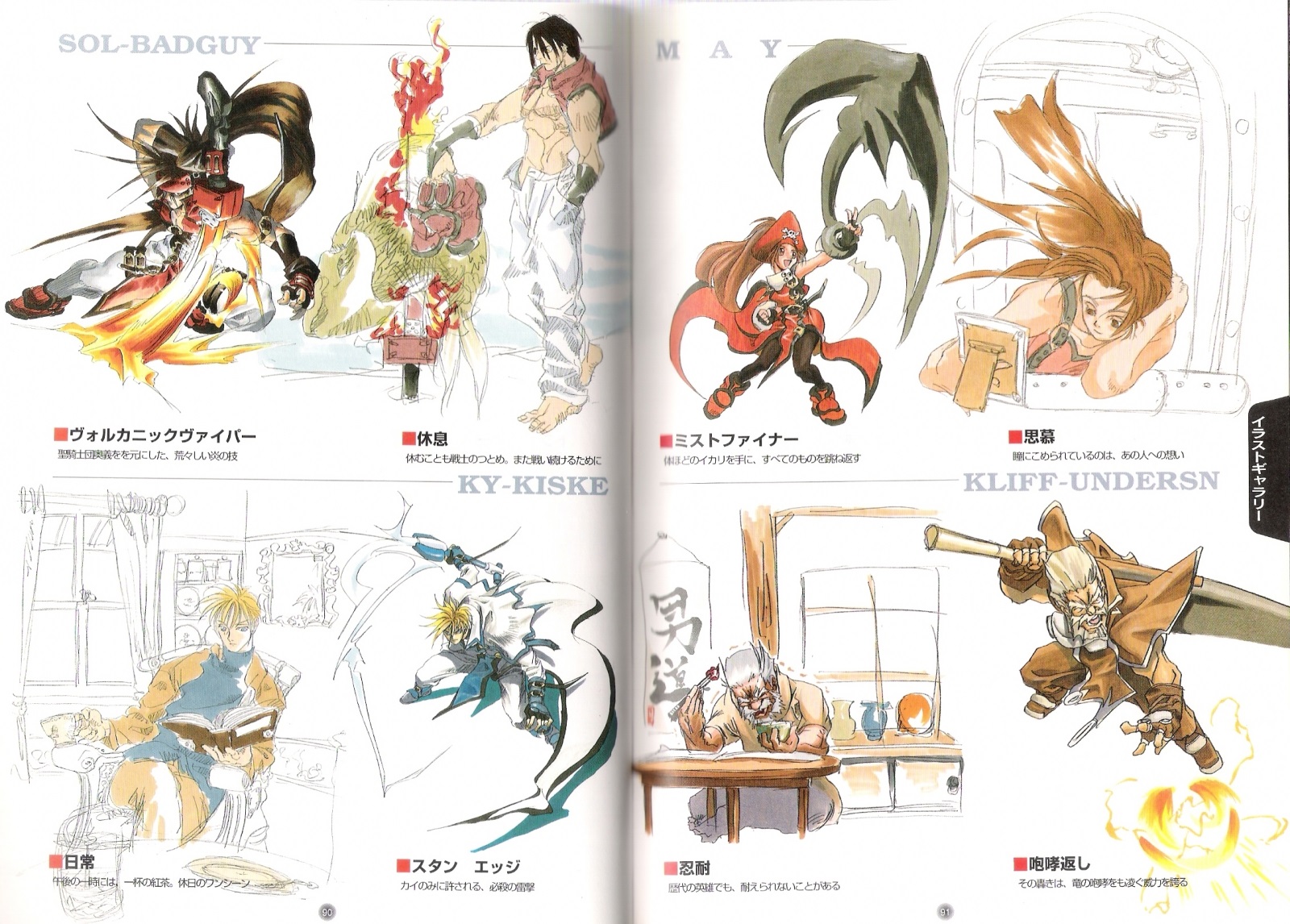
In freshman year of high school, I religiously played Street Fighter III: 3rd Strike on my school chromebook. I grew up playing fighting games during quarantine (mostly FighterZ and Guilty Gear Strive), but made the switch to SF3 to kill time in school. Well, my biology teacher noticed… and challenged me to a 1v1. Huh. Embarassingly, he destroyed me. Again. And again. Over and over again. I grew up playing fighting games during quarantine? He grew up playing fighting games in arcades. I was no match. I trained until, on the LAST day of school, I finally beat him. Even better, I killed his Ken with Akuma’s raging demon, closing out the fateful match with flames.
SF3 inspires the art and gameplay of Right of Way. While it is near-impossible for me to replicate SF3’s beautiful sprite work, I can incorporate the game’s system mechanics. Most notably is parrying, which defends from all damage (in contrast, blocking causes chip damage in most fighting games) and blockstun, granting you frame advantage (meaning, you can act before the attacker can). The parry window is short, making this high-risk high-reward. Furthermore, parries in SF3 are done by tapping forward. So, while it’s a small commitment, it still leaves you open to getting hit. As the player, you could block, or you could risk getting hit to parry. In Right of Way, you can tap forward, but there is also a dedicated parry button. This makes it easier for new players, but opens the skill ceiling; pressing the parry button forces the animation, leaving you stunned in endlag, so experienced players may pivot towards pressing forward instead of risking the animation.
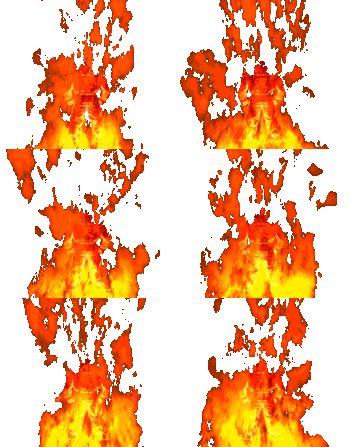
Sho’s super attack is based on Ken’s Super Art 3 from SF3!
.gif)
Some of the beautiful art from Street Fighter 3:
.gif)
.gif)
.gif)
.gif)
.gif)
.gif)
.gif)
.gif)
.gif)
.gif)
.gif)
.gif)
.gif)
.gif)
.gif)
.gif)
.gif)
WIP
This is my vision
Daisuke Ishiwatari
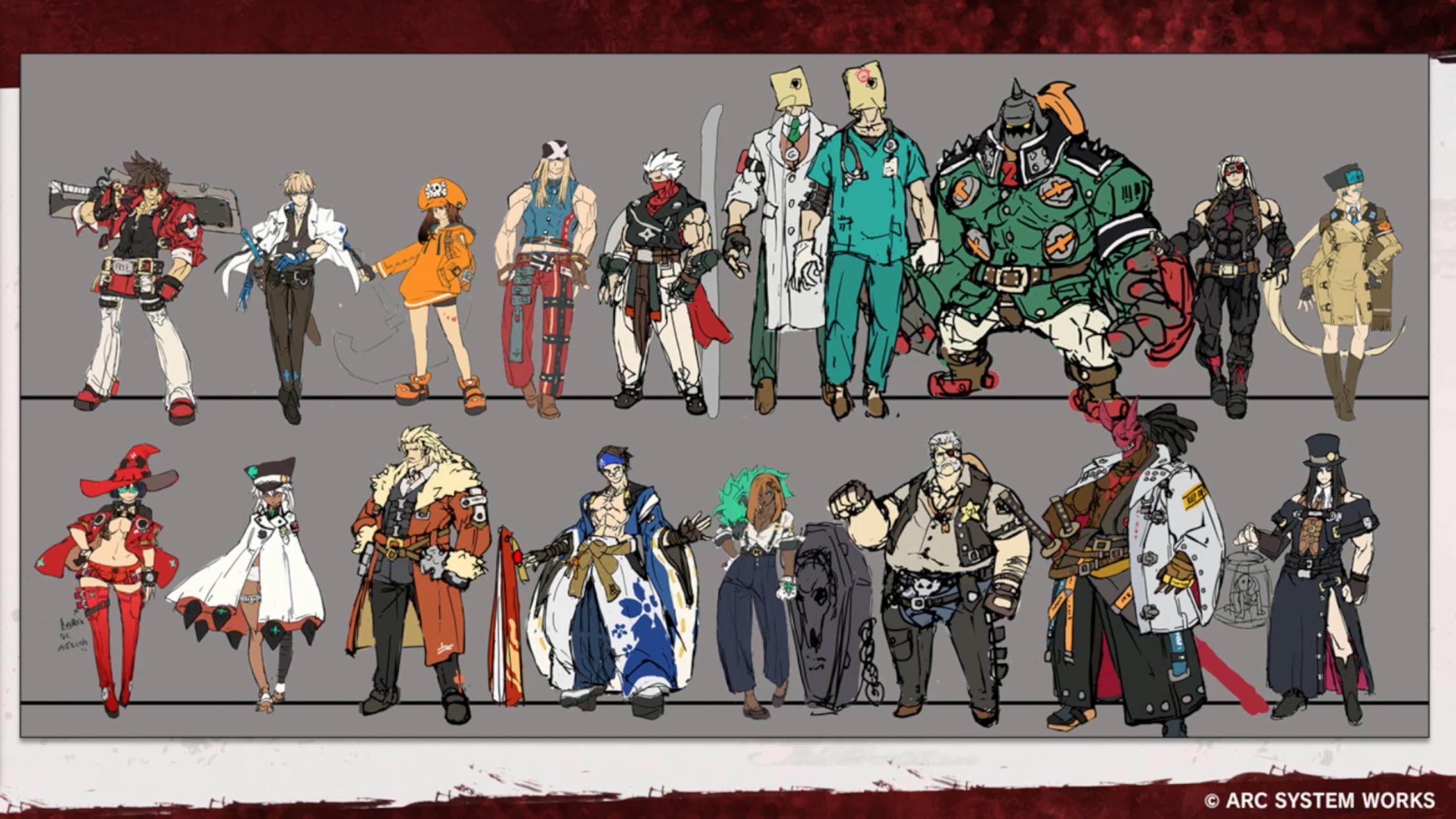
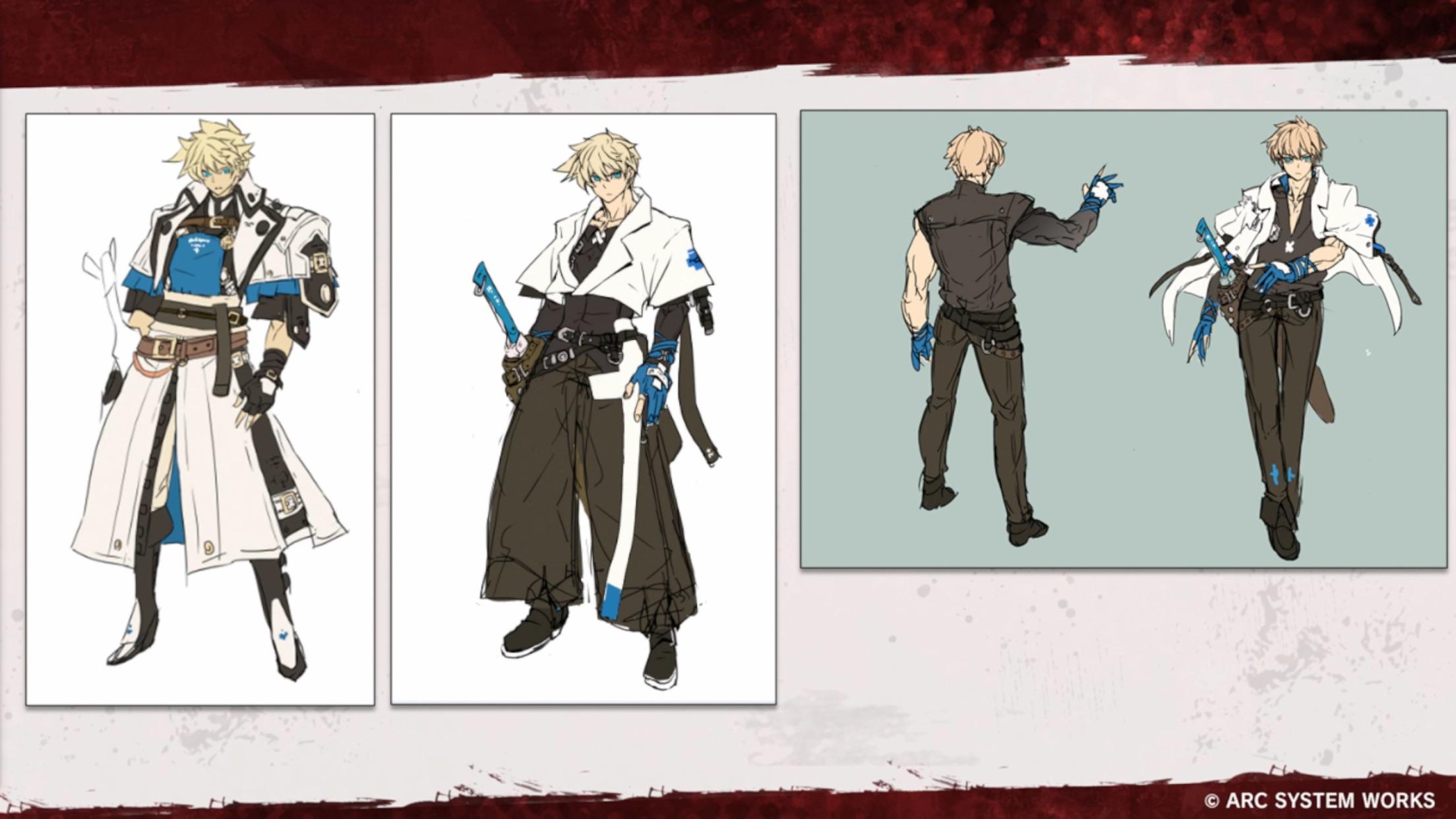
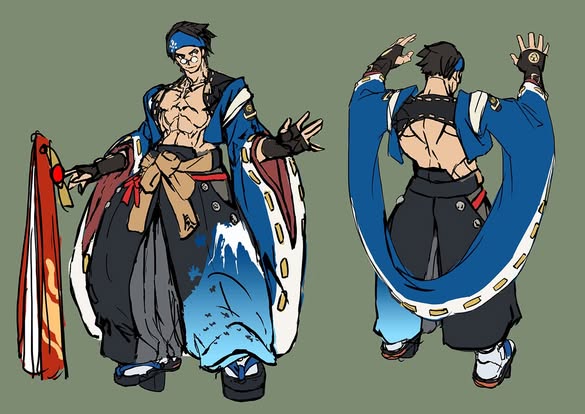
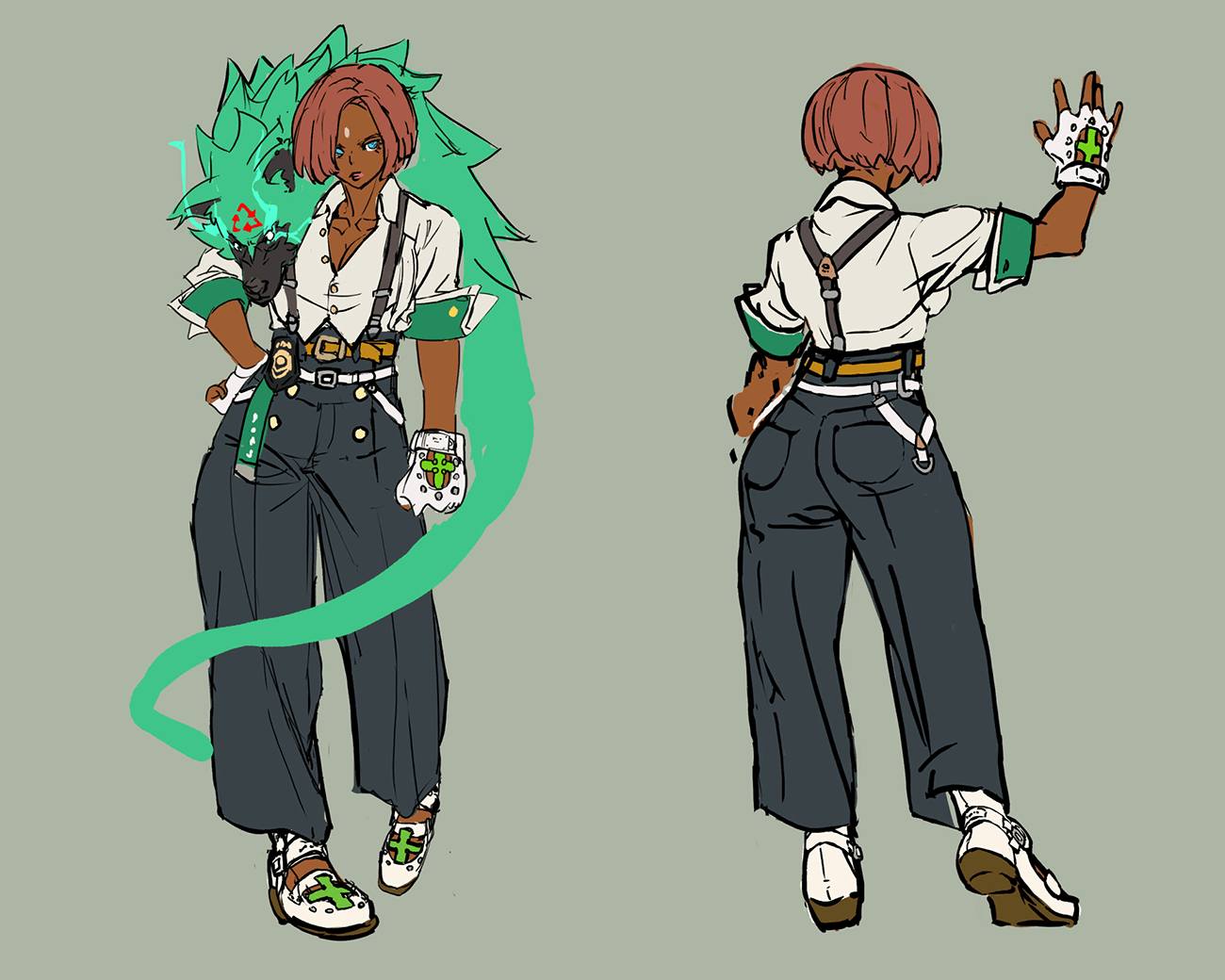
WIP something something loads of games coded during quarantine
My first introduction to pixel art was in my AP Computer Science Principles class, using “Snap!”, a block-coding platform. For my final project, I created an RTS troop warfare game. You could choose between three troop types, place them for both Red and Blue team, then watch them fight. Snap! taught me about cloning and managing huge amounts of data (especially as my horrible school chromebook struggled to load anything past 2 KB). More importantly, I got into pixel art by drawing the background and troops:


Yeah, the background looks horrible and the cavalry’s horse is a different pixel size, but so what? I really enjoyed drawing the art and making the project. It was fun to figure out syncing troop data across one huge array, communicating between clones, and all of the above. For the pixel art, I used “Piskel” a free website. Immediately after, I bought “Aseprite” on Steam for $20, feeling just so inspired by Snap!. In fact, I was so inspired that I sadly didn’t touch Aseprite for a few months… However, I eventually did. One day, I was showering (good job) when the thought hit me: wait, if I think about fencing in terms of fighting games, why doesn’t a fencing-based fighting game exist yet? It’s so obvious! … wait, why don’t I make it myself? I loaded up Aseprite and haven’t looked back since.
Colored visual effect that trails delayed
The coolest visual feature ever
How the rule of priority was programmed