
Gameplay
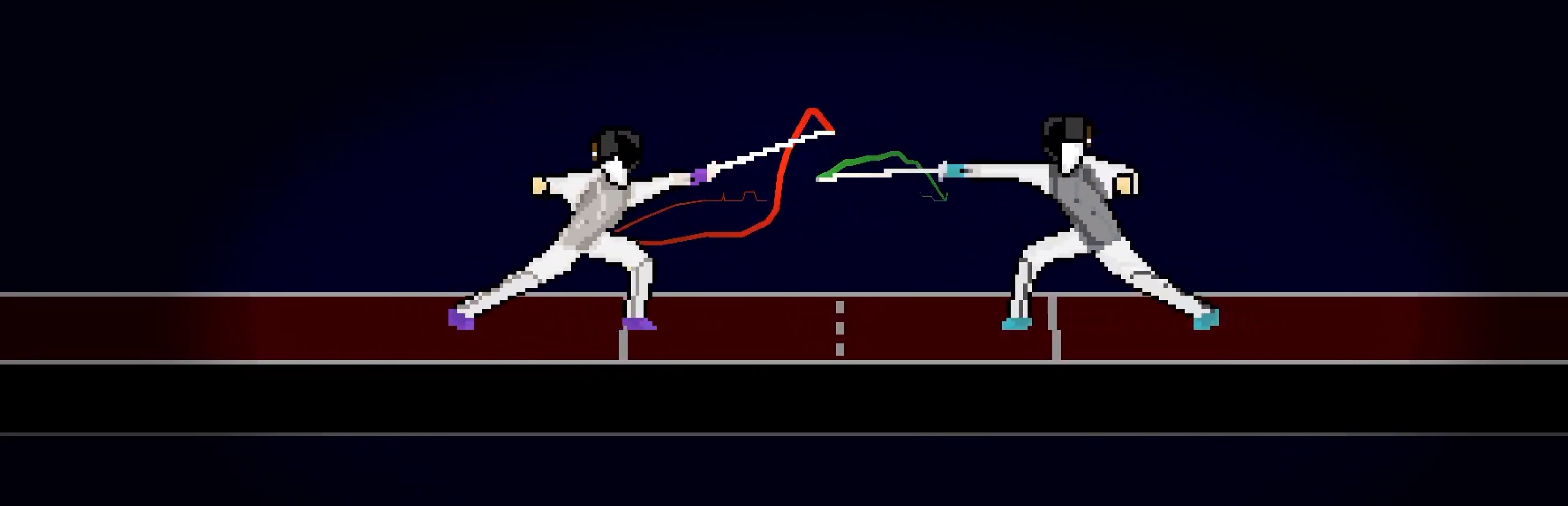
Transitioning fencing into a virtual form

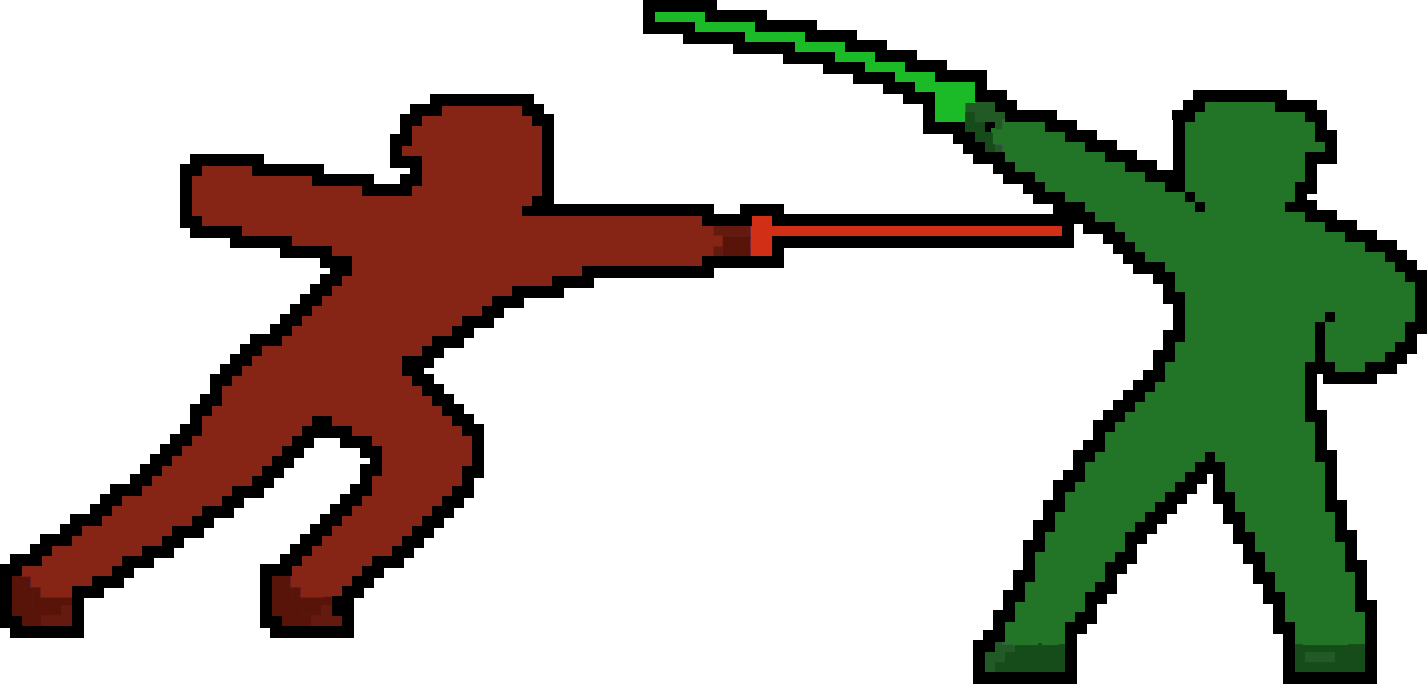
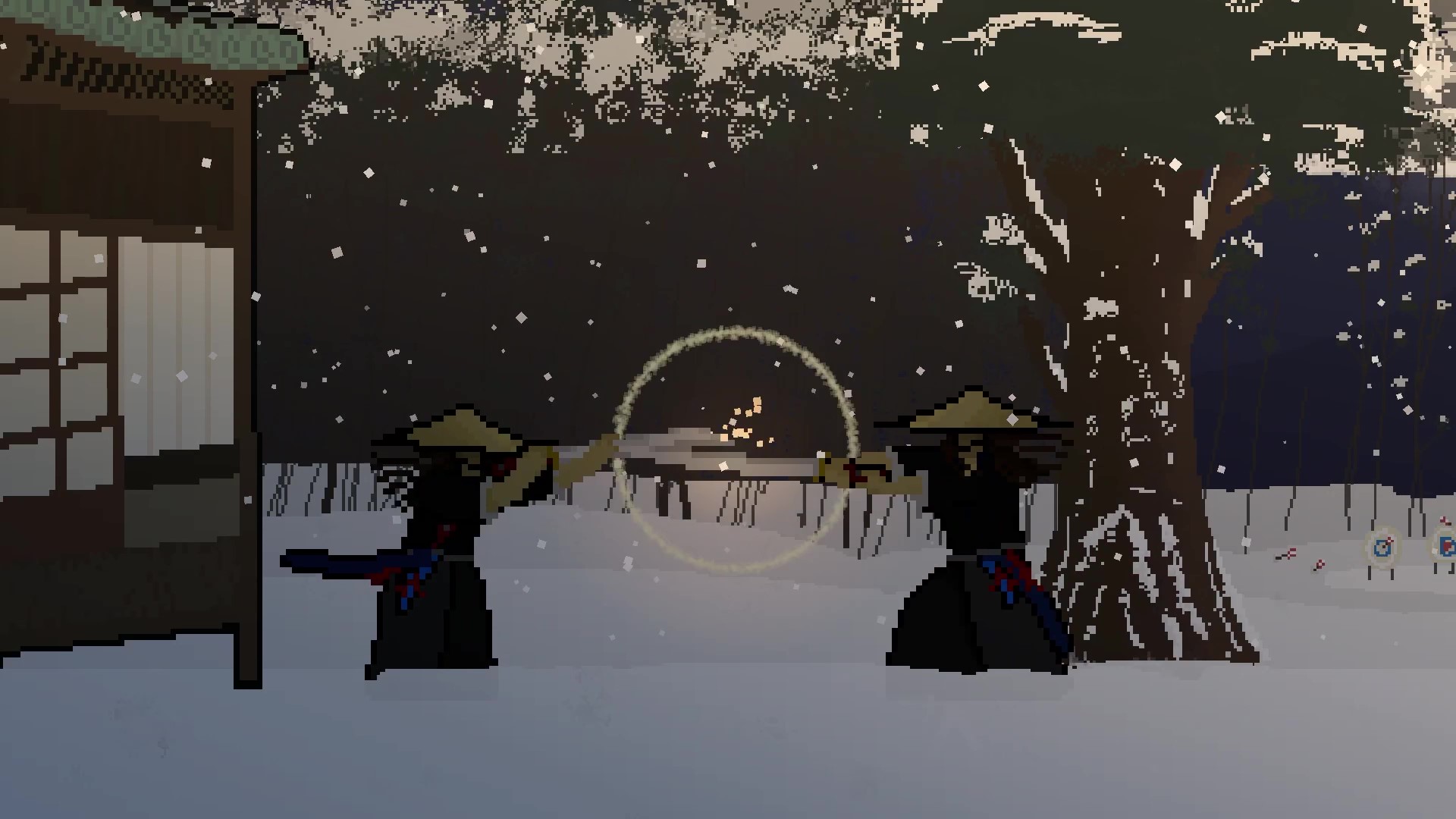
To add a layer of defense beyond parrying, we implemented ClashBoxes.
Only swords can clash. Fists do not generate the sparks required to trigger a clash!
What a ClashBox Is
You can think of it as a collision “line” used to detect intersections.
It’s specifically designed to detect where clash lines overlap.
When clashbox lines intersect, both players receive knockback.
When Clashes Can Happen
The clashbox only appears briefly—at the start of active hitbox frames.
There’s only a slight moment where clashes are possible, meaning it isn’t a constant shield you can rely on.
Swords Only (Why No Fists)
Clashes are implemented for swords, not fists, because swords can visually/spark-effectably communicate the interaction in a believable way. The Shield Tradeoff
ClashBoxes function like a temporary shield against being hit—but:
clashes also cancel your attack
which means you trade offensive momentum for safety and reset opportunity.
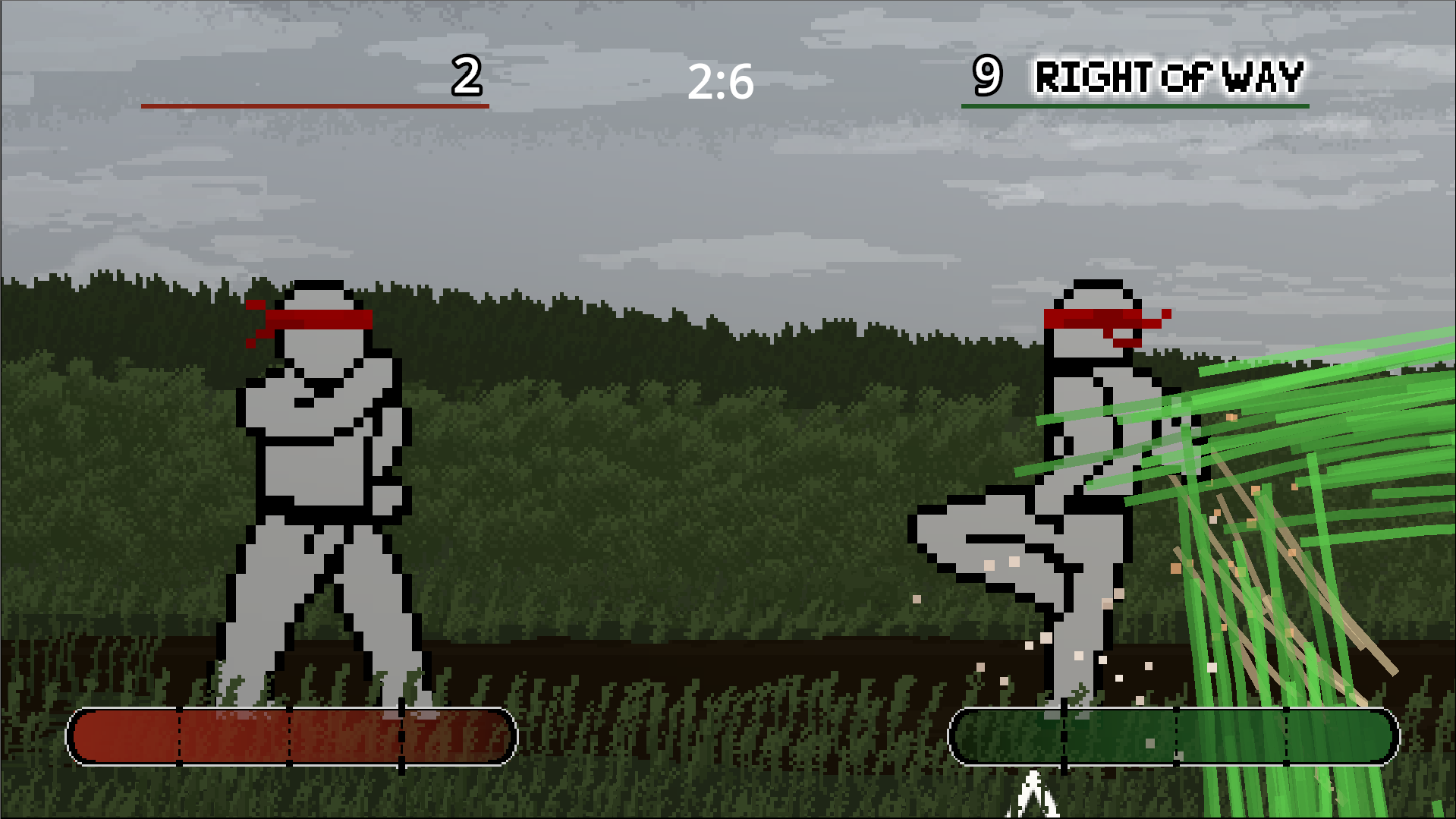
Right of Way and Risk Decisions
The clash system reinforces fencing logic and Right of Way rules:
Less knockback applies to the player with priority.
More knockback applies to the one without it.
Since missing an attack causes loss of priority (per fencing rules), clashes add a strategic layer:
Do you gamble on clashing (and potentially cancel your offense),
or do you commit to parry timing,
or do you bait a whiff punish?
Visual Tech Note
Making clash effects was challenging—particles needed to look dynamic, spark-y, and readable:
glow
directional movement
pop/fade/swirl behavior
and controlled disappearance timing
Transitioning fencing into a virtual form
Guide to the Musashi character
Guide to the Musashi character